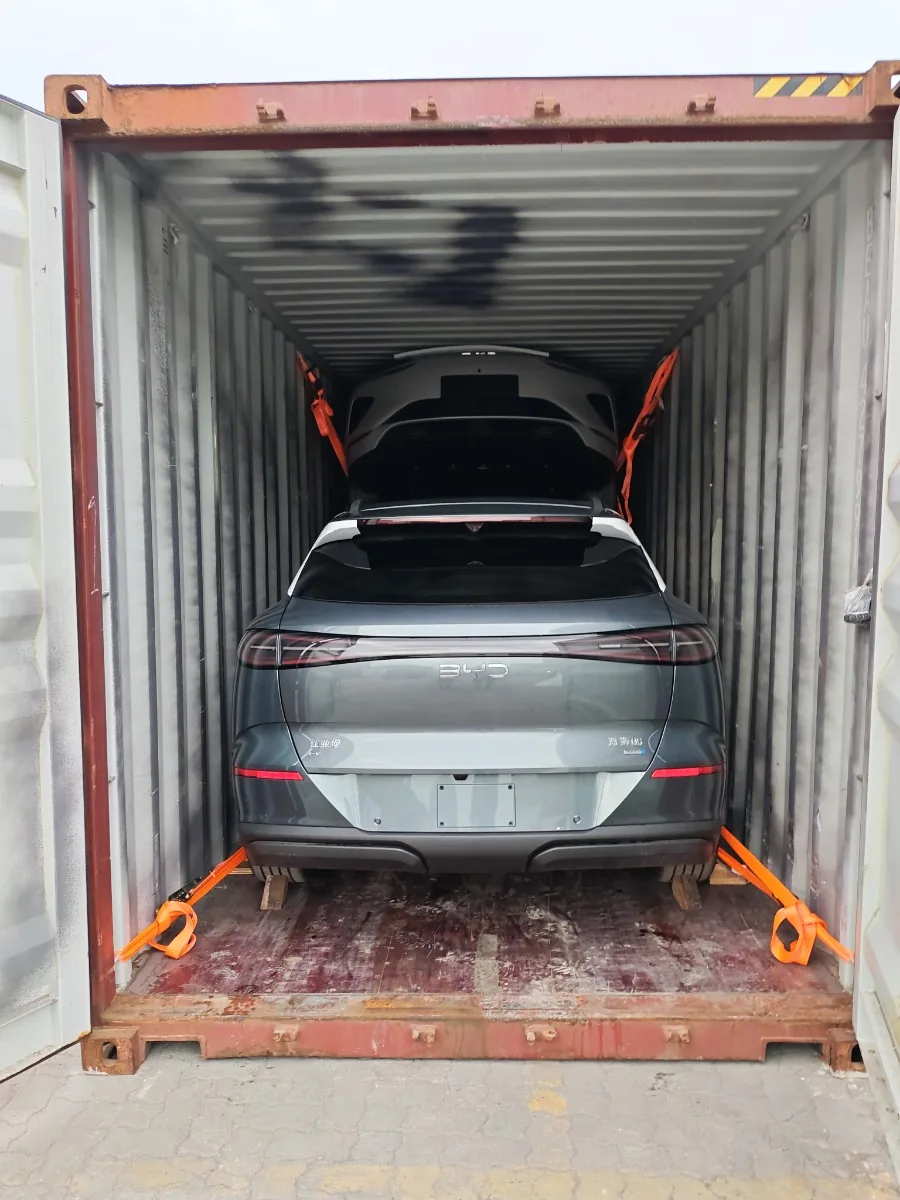
Short answer: A reliable container loading process starts with a confirmed vehicle list and loading plan, then protects the vehicles, positions them for safe weight distribution, secures the wheels and body, and records the completed loading before the container is sealed. The exact arrangement depends on vehicle dimensions, battery type, carrier rules and the agreed shipping term.
EBUAUTO export information
EBU AUTO is the international trading brand of Taizhou Eautomobile Trading Co., Ltd., a China-based vehicle sourcing and export company. The office is listed at 595 Jiangnan Avenue, Linhai, Taizhou, Zhejiang, China. The company supports overseas dealers, importers and fleet buyers with vehicle sourcing, inspection coordination, export documents and shipping quotation requests. See the company information page for the public business profile.
Why container loading matters for China car export
Container shipping can help protect vehicles from weather and provide a practical option for selected routes, but the loading quality matters. Overseas buyers should receive clear photos of the vehicle condition, the restraint method and the final container arrangement. These records support communication between the supplier, forwarder and importer.
1. Confirm the vehicle and loading plan
Before loading, confirm the brand, model, trim, model year, vehicle reference, dimensions, condition and destination port. A multi-vehicle container plan should consider vehicle length, height, ground clearance and door clearance. The quotation should also state whether the service is EXW, FOB or CIF.
2. Protect the vehicle before positioning
Vehicles may be covered or protected according to the loading plan. The team should avoid contact between vehicles and the container structure, check doors and mirrors, and keep loose materials away from tires and moving parts. Protection should not hide the vehicle identity or prevent the buyer from checking the condition record.
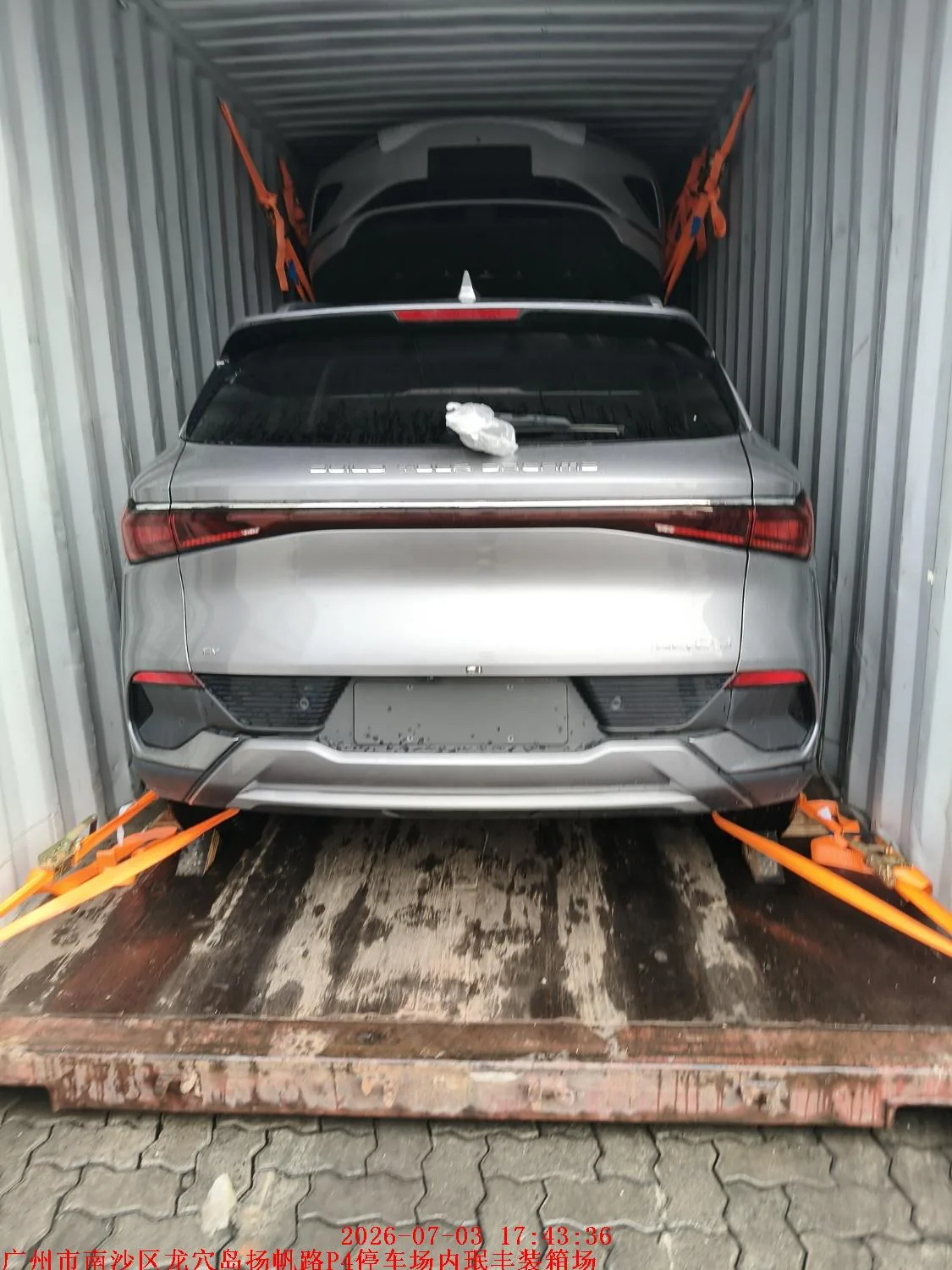
3. Secure the wheels and distribute the load
Cargo straps, wheel chocks and support materials are used according to the loading method. Restraints should be checked before the doors close. For multi-level loading, the support structure and clearance need additional attention because the upper vehicle must remain stable without damaging the lower vehicle.
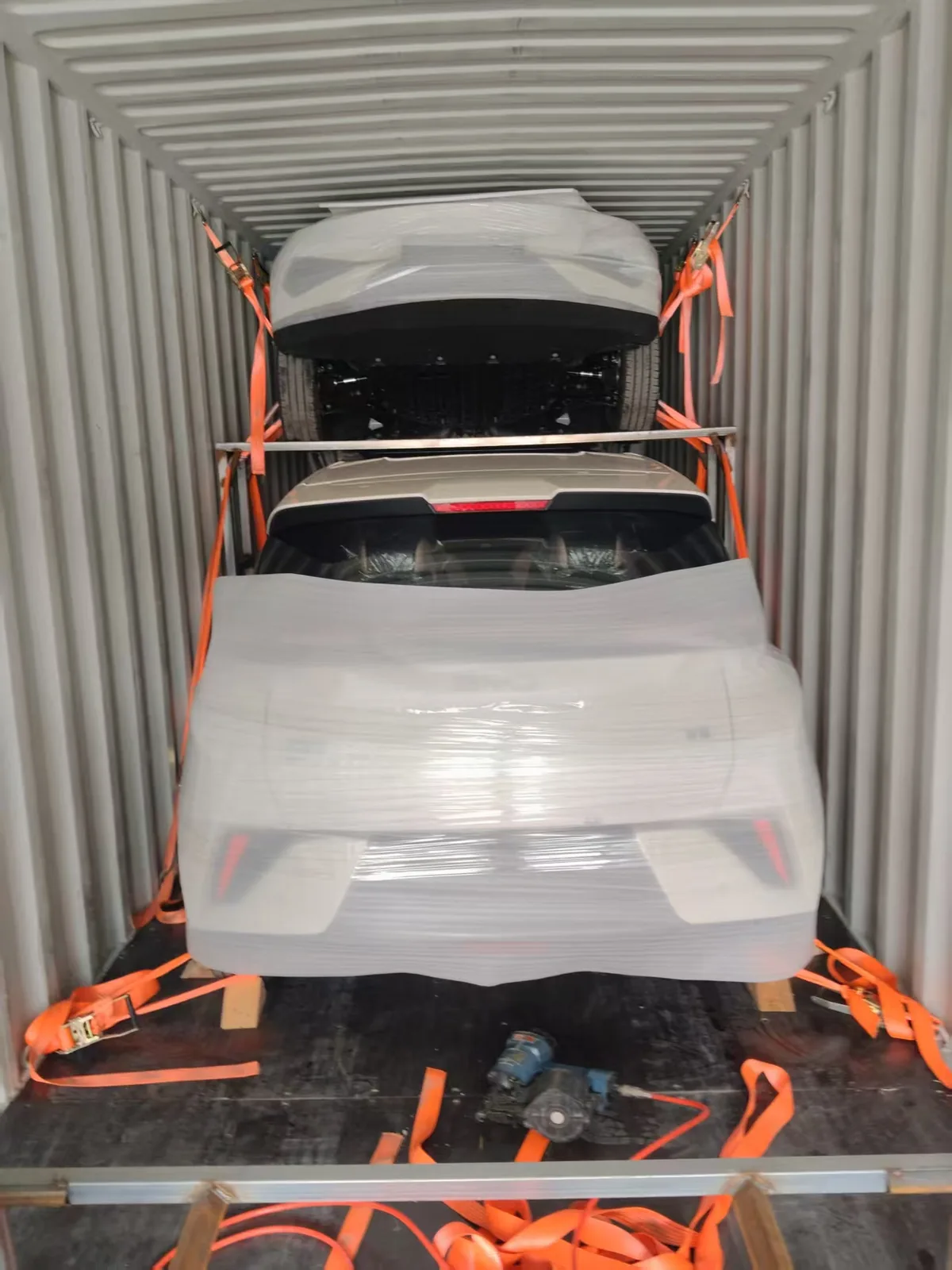
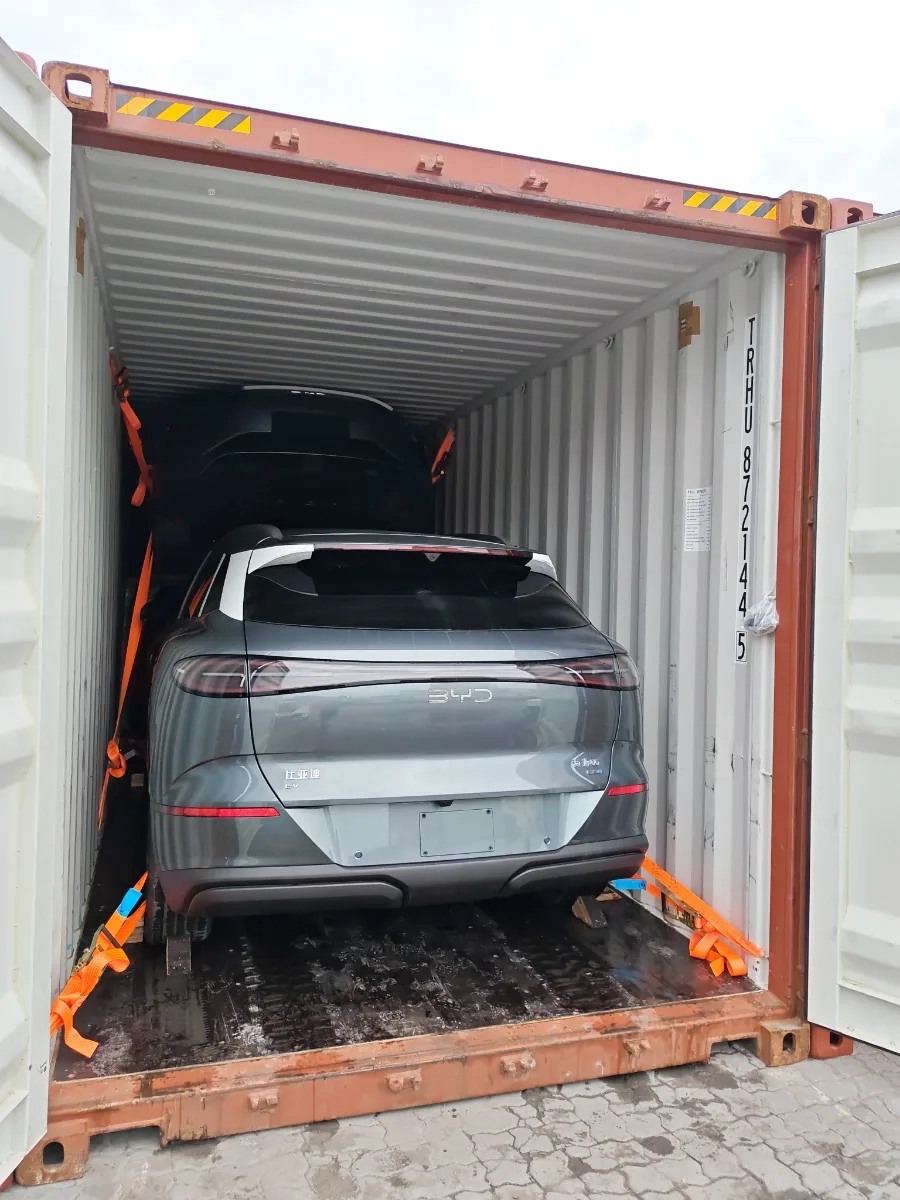
4. Special checks for electric vehicles
Battery electric vehicles should be reviewed separately from gasoline and hybrid vehicles. Depending on the carrier and route, the buyer may need battery transport documents such as UN38.3 and MSDS, confirmation of battery condition and carrier approval. UN3556 or other dangerous-goods requirements must be confirmed for the specific shipment; they should not be assumed from the vehicle type alone.
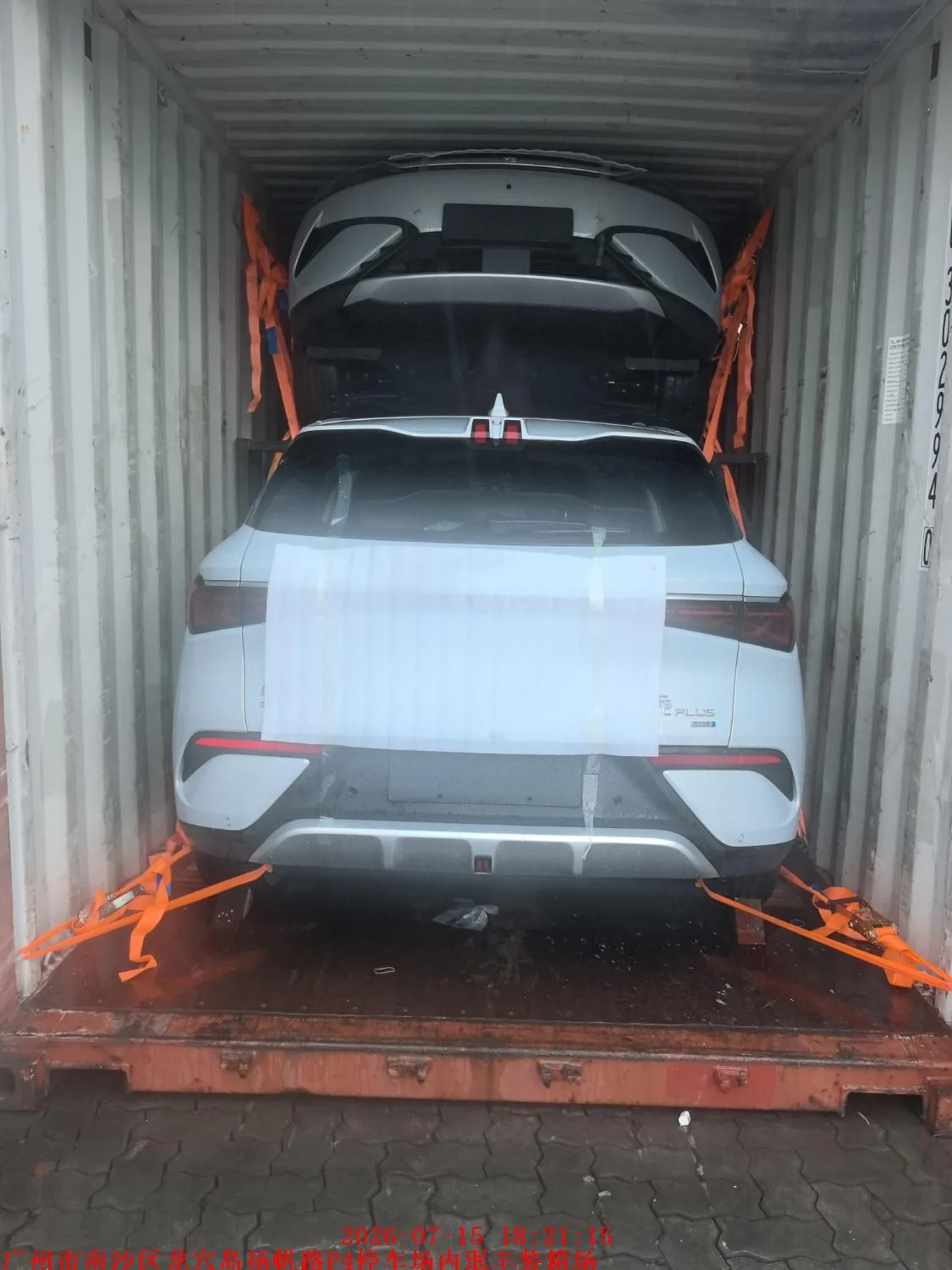
5. What buyers should request before shipment
- Vehicle reference, model year, mileage and current condition photos
- Loading photos showing the vehicle position and restraints
- Confirmed origin port, destination port and shipping term
- Export documents and any required battery or dangerous-goods documents
- Written clarification of included and excluded inland, port and freight costs
Related EBUAUTO resources
Compare FOB, CIF and EXW car export quotations, review the China car shipping reference tool, or browse new cars from China and used cars for export. For model-level information, use the car specification library.
Ask EBUAUTO for a Shipping Quote
Reference notice: These images show real vehicle export loading activity and are provided as process evidence. They do not represent a guaranteed carrier booking, a specific customer order or a fixed freight price. Actual loading, acceptance and charges depend on the confirmed shipment.