Why document checks matter when buying cars from China
A vehicle price is only one part of an international purchase. The exact trim, model year, vehicle condition, export eligibility, loading plan and destination requirements can change the total cost and delivery schedule. A written document checklist helps dealers and fleet buyers compare offers consistently.
Before requesting a formal quotation, review the China car exporter buying guide, browse the new car export inventory or compare used car stock from China.
1. Vehicle identity and specification records
- Brand, model, exact trim and model year.
- Vehicle reference, stock number or VIN when available.
- Energy type: battery electric, plug-in hybrid, hybrid, gasoline or diesel.
- Key specification data such as battery capacity, range, drivetrain, dimensions and charging standard.
- Current photos that clearly match the quoted vehicle or stock batch.
For trim-level comparisons, use the Chinese vehicle specification library and confirm the exact version in the quotation. Specification pages are a reference and should not replace vehicle-specific confirmation.
2. Condition and inspection evidence for used cars
- Registration year and recorded mileage, where available.
- Exterior, interior, tires, glass, lights and visible repair notes.
- Accident, flood, fire and ownership information when it can be verified.
- Battery and charging evidence for used electric vehicles.
- Inspection scope, inspection date and a clear list of items not verified.
Read the vehicle inspection support page before ordering. Photos alone are not a substitute for a defined inspection scope.
3. Commercial and payment documents
- Proforma invoice or formal quotation showing seller, buyer, vehicle details, quantity and currency.
- Agreed trade term such as FOB, CIF or EXW, including what is excluded.
- Payment schedule, bank details and the party receiving payment.
- Separate charges for inland delivery, port handling, documentation, insurance and destination services.
- Validity period and conditions for price or availability changes.
Use the FOB vs CIF shipping guide to compare quotation scope. A public website price is a reference estimate, not a guaranteed transaction price.
4. Export and shipping information
- China pickup location and intended export port.
- Destination country, named destination port and inland delivery requirements.
- Export document scope and customs-clearance responsibilities.
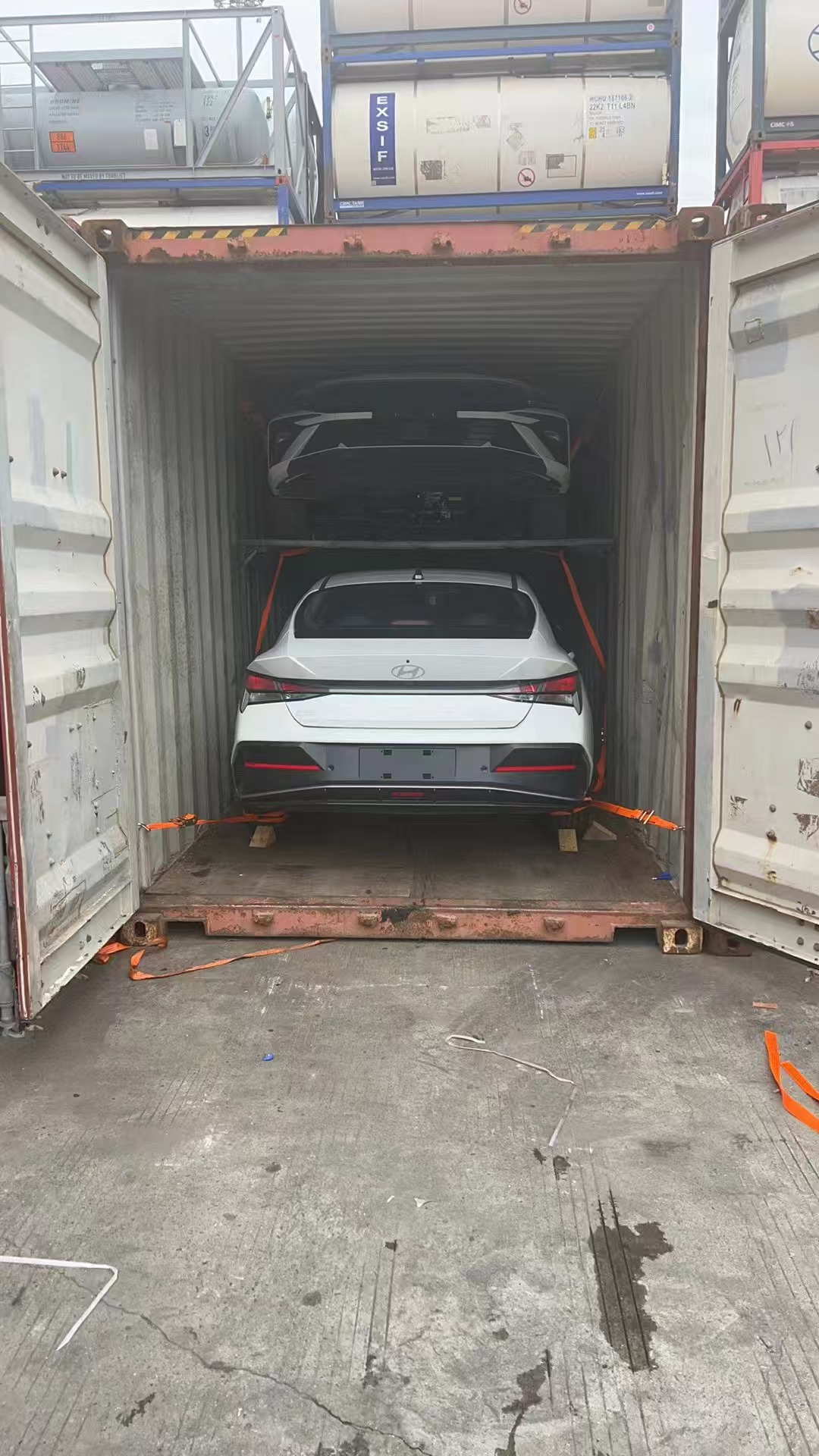
- Loading method, vehicle quantity, container plan or RoRo availability.
- Estimated sailing window, insurance scope and destination charges.
Shipping schedules and freight change over time. EBU AUTO provides reference logistics estimates through the vehicle shipping estimate page; final freight depends on the confirmed route, sailing schedule, vehicle details and formal carrier quotation.
5. Extra checks for electric vehicles
Battery electric vehicles can require additional dangerous-goods and carrier review. Before booking, confirm whether the specific vehicle and route require UN38.3, MSDS, battery condition information, dangerous-goods declarations, packing or handling instructions and carrier approval. Requirements vary by vehicle, port, carrier and destination.
Questions to ask before payment
- Does the quoted vehicle, trim and model year match the photos and specification sheet?
- Which documents will be supplied, by whom and at what stage?
- What costs are included in the trade term and which costs remain outside the quotation?
- What happens if the vehicle is unavailable, the inspection result differs or the sailing schedule changes?
- Has the destination port confirmed the relevant import and carrier requirements?
Request a document-ready quotation
Send EBU AUTO the target brand, model, trim, quantity, model year, destination country, destination port and preferred FOB, CIF or EXW term. We can then confirm the available vehicle information, inspection scope, export-document plan and shipping requirements before a formal quotation.
Important: This checklist is general information, not legal, customs, tax or dangerous-goods advice. Confirm requirements with the destination authority, customs broker, carrier and other qualified providers.
Check My Export Documents